Author: Ryan Li
August 2026
Executive Summary
The Australian property and construction industry continues to search for ways to improve housing delivery, productivity, cost certainty, quality outcomes, and sustainability performance.
Modern Methods of Construction (MMC), including modular, prefabricated and off-site manufacturing approaches, are increasingly viewed as part of the solution. However, despite growing industry awareness and government support, adoption remains limited when compared with international markets.
The challenge is not whether MMC can work. The challenge is whether project teams, regulators, financiers, developers, contractors and end-users have sufficient confidence in the delivery pathway to adopt it at scale.
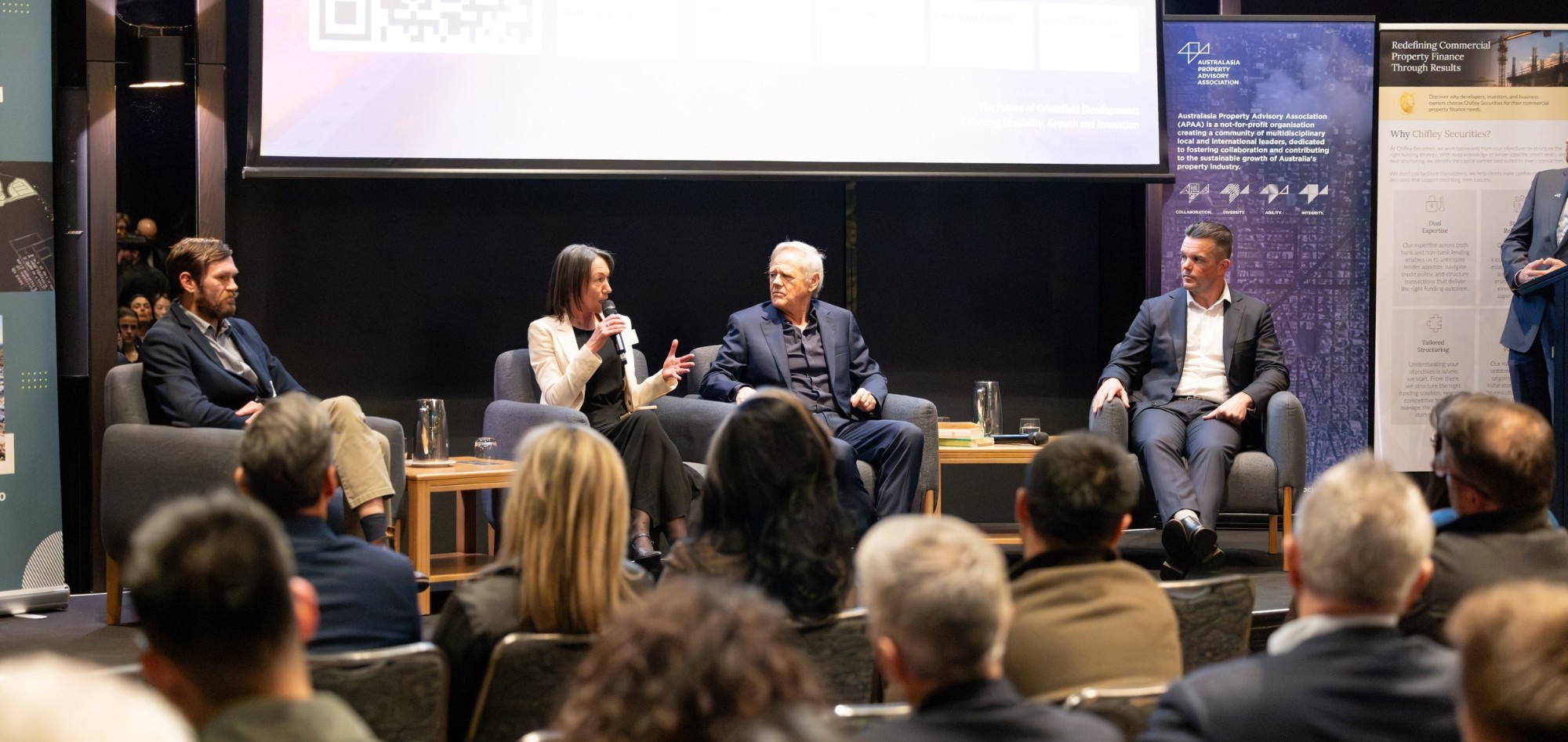
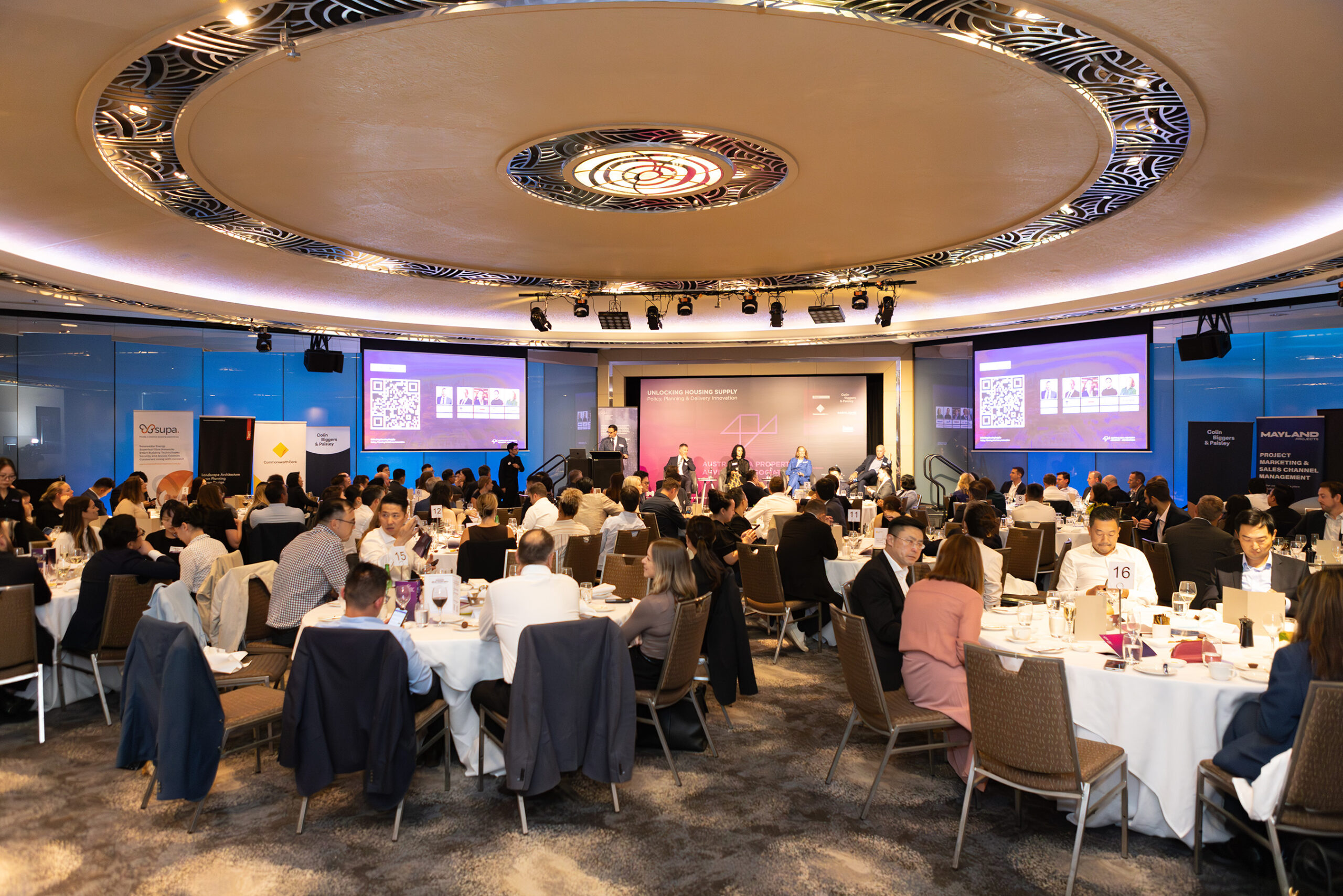
Through discussions with industry leaders from architecture, compliance and finance, a common theme emerged:
- The barriers to MMC are rarely technical. They are often commercial, regulatory, procurement and perception-based.
- Successful implementation requires early alignment between design, approvals, funding, manufacturing and construction delivery.
The industry must move beyond viewing MMC as an alternative construction product and instead treat it as an integrated project delivery system.
1: Understanding MMC Beyond the Product
MMC is often discussed as a construction solution. In reality, it represents a different project delivery methodology. Unlike conventional construction where many decisions can evolve throughout the build process, MMC requires substantially more certainty at the front end of a project. Design decisions, documentation, consultant coordination, procurement strategies and compliance pathways must be established much earlier. This fundamentally changes how projects are planned, financed and delivered.
The key question is no longer:
“Can we build it in a factory?”
The more important question becomes:
“Can the project team provide sufficient certainty early enough to make factory production viable?”
2: Designing for Certainty, Not Flexibility
One of the most significant differences between traditional and MMC delivery lies within the design phase. Traditional construction allows a degree of flexibility during construction. MMC requires greater certainty before manufacturing begins. Design changes made after fabrication can have substantial cost, programmed and coordination impacts.
This creates several challenges:
- Earlier consultant engagement
- Increased documentation requirements
- Greater design coordination
- Earlier client decisions
- More detailed procurement planning
Successful MMC projects require a shift in mindset from reactive problem-solving to proactive project planning. The design process becomes less about flexibility and more about certainty.
3: Compliance and Regulatory Confidence
While project development can utilize and support the implementation of MMC, approval pathways and satisfaction of certification requirements remain uncertain impacting adoption.
Building surveyors, councils, certifiers and project teams frequently encounter questions around:
- Product certification
- Evidence of compliance
- Manufacturing quality control
- Traceability of materials
- Inspection processes
- Responsibility allocation
Rather, it is the availability of evidence required to demonstrate compliance. Projects that establish clear documentation and certification pathways early tend to achieve significantly better approval outcomes. Industry confidence increases when evidence, accountability and quality assurance systems are transparent and easily verifiable.
4: The Finance and Risk Challenge
Finance remains one of the most frequently discussed barriers to broader MMC adoption. Traditional funding models were developed around conventional construction programs and progress payment structures.
MMC projects often introduce different risk profiles, including:
- Upfront manufacturing costs
- Offshore production
- Supply chain complexity
- Factory payment schedules
- Transportation risks
- Ownership and security considerations
From a financier’s perspective, the key challenge is not necessarily the construction methodology itself. The challenge is understanding and managing unfamiliar risks. Lenders continue to assess projects based on:
- Sponsor capability
- Delivery certainty
- Contract structure
- Security position
- Project viability
As more successful projects are delivered and performance data improves, and a reliable industry is established, industry confidence is expected to strengthen.
5: Perception Versus Reality
A recurring theme throughout the forum was the gap between perception and reality. MMC is often viewed through several misconceptions:
- Higher cost than traditional construction
- Inferior quality outcomes
- Limited design flexibility
- Increased approval difficulty
- Greater financing complexity
While some projects have experienced challenges, many issues are not inherent to MMC itself. Rather, they result from applying traditional project delivery assumptions to a fundamentally different process. The industry’s understanding of MMC continues to mature. As knowledge improves, many perceived barriers become manageable project risks.
6: What Needs to Happen Next
Unlocking broader MMC adoption requires a coordinated response across the delivery ecosystem.
Improve Front-End Project Planning
Projects must invest more heavily in early design coordination, documentation and stakeholder alignment.
Increase Regulatory Consistency and Certainty
Greater consistency and certainty in compliance pathways, certification processes and evidence requirements will improve industry confidence.
Enhance Industry Education
Developers, consultants, financiers and regulators require greater exposure to successful MMC case studies and delivery frameworks.
Establish reliable local industry to support MMC on projects
More completed projects, performance data and transparent lessons learned will help reduce perceived risk.
Align Procurement and Finance Models
Funding structures and procurement approaches must evolve to better support manufacturing-led delivery pathways.
7: Enabling Delivery Through Collaboration
The future of MMC is unlikely to be determined by technology alone. The success of modern construction methods will depend on how effectively industry participants collaborate across the entire project lifecycle. Architects, developers, regulators, financiers, manufacturers, contractors and policymakers each play a critical role. The discussion highlighted that MMC is not simply about building differently. It is about thinking differently. The question is no longer whether MMC has a role to play. The question is how industry can work together to remove barriers, build confidence and enable delivery at scale.
The industry’s greatest opportunity lies not in replacing traditional construction, but in expanding the range of delivery pathways available to meet Australia’s housing, infrastructure and productivity challenges!